COURSE 1C
Control
10 Modules | 30 hours
This course section covers various modules related to different aspects of automation control systems. These modules include continuous process control, discrete and sequencing control, batch control, building automation systems, motion control, control system types, documentation, industrial robotics, automation programming languages, and visualization of automated processes. Each module has specific learning objectives, and the course aims to provide a comprehensive understanding of automation control systems. Topics covered include control system architectures, programming languages, visualization, and life-cycle management.
This course offers
- N Access from any device
- NCertificate of completion
- N30 hours online course content
$1,500.00
Module aims and objectives
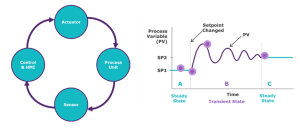
Module 080: Continuous and Process Control
This module aims to give you a clear understanding of continuous process control. The learning objectives of this module are that you will be able to explain: Continuous process characteristics, Feedback control & what loop tuning is, The principles of advanced regulatory control
Module 090: Discrete and Sequencing Control
This module aims to give you a clear understanding of discrete and sequencing control.
The learning objectives of this module are that you will be able to explain:
- The concepts behind discrete/sequential control
- The basic functional structure of a Programmable Logic Controller
- Some of the textual and graphical languages used to program automated systems
Module 100: Batch Control
This module aims to give you a clear understanding of the concepts behind batch control
The learning objectives of this module are that you will be able to explain:
- batch process and batch processing configurations
- types of batch control, including basic control, procedural control and coordination control
- batch control and the S88 Standard
- different types of batch recipes and the information required in a recipe
Module 110: Building Automation Systems and HVAC
This module aims to give you a clear understanding of the basics of Building Automation Systems (BAS) – including Heating, Ventilation, Air Conditioning (HVAC) for the Life Sciences industry with a focus on the regulatory requirements using design examples.
The learning objectives of this module are that you will be able to explain:
- The different design requirements for office spaces and mission critical spaces such as spaces for manufacturing, lab, and warehouse, which may be called Good Manufacturing Practice (GMP) spaces
- HVAC equipment
- BAS architectures and components
- HVAC/BAS project lifecycle
- Popular BAS vendors and products
Module 120: Motion Control
This module aims to give you a clear understanding of the concepts behind motion control.
The learning objectives of this module are that you will be able to explain:
- the different types of motion control used to automate machine and processes
- some basic steps to follow when designing motion control systems
Module 130: Control Systems Types and Architecture
This module aims to introduce you to different control system types and the various architectures, hardware, and communication protocols used to implement them.
The learning objectives of this module are that you will be able to recognize the features and discuss the benefits of each of the following:
- Distributed Control System (DCS)
- Process Automation System (PAS)
- Programmable Automation Controller (PAC)
- Programmable Logic Controller (PLC)
- Supervisory Control and Data Acquisition (SCADA)
- Embedded Systems
Module 140: Documentation for Automation Engineering
Module 150: Industrial Robotics
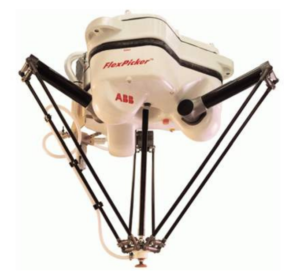
This module aims to give you a clear understanding of the concepts behind industrial robotics.
The learning objectives of this module are that you will be able to explain:
- How robots are utilized in industrial applications
There are 2 performance objectives for this module:
- Demonstrate an understanding of the variety of applications for industrial robotics
- Research and make a recommendation for a suitable industrial robot for a set of stated requirements
Module 160: Programming Languages for Automation Systems
Module 170: Visualization and Display
This module aims to give you a clear understanding of the concepts relating to the visualization of automated processes, best practices relating to the design of Human Machine Interfaces (HMIs), and the life-cycle management of such interfaces.
The learning objectives of this module are that you will be able to explain:
- the purpose of Human Machine Interfaces (HMIs)
- why certain HMI interfaces are far better than others
- the basics of human factors engineering & ergonomics relating to situational awareness and sensory limits
- how HMI applications are evaluated in terms of display styles and performance factors
- HMI system management and lifecycle stages